
Key Aspects of Mujahideen History:
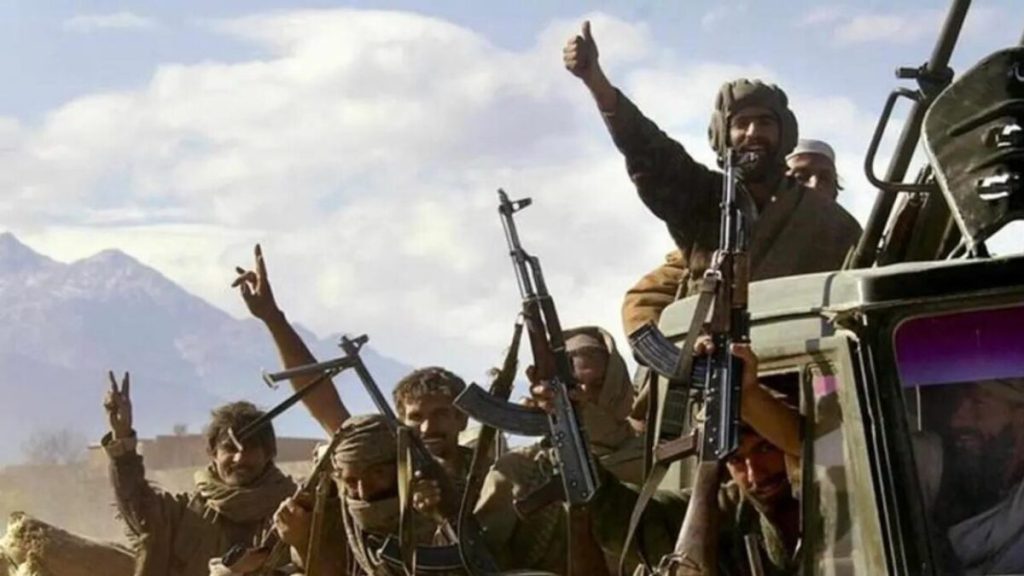
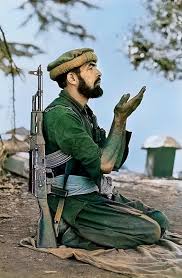
- Origin & Rise: The movement emerged in response to the 1978 communist coup and the subsequent 1979 Soviet invasion of Afghanistan, aiming to protect Islamic values against an atheist, foreign power.
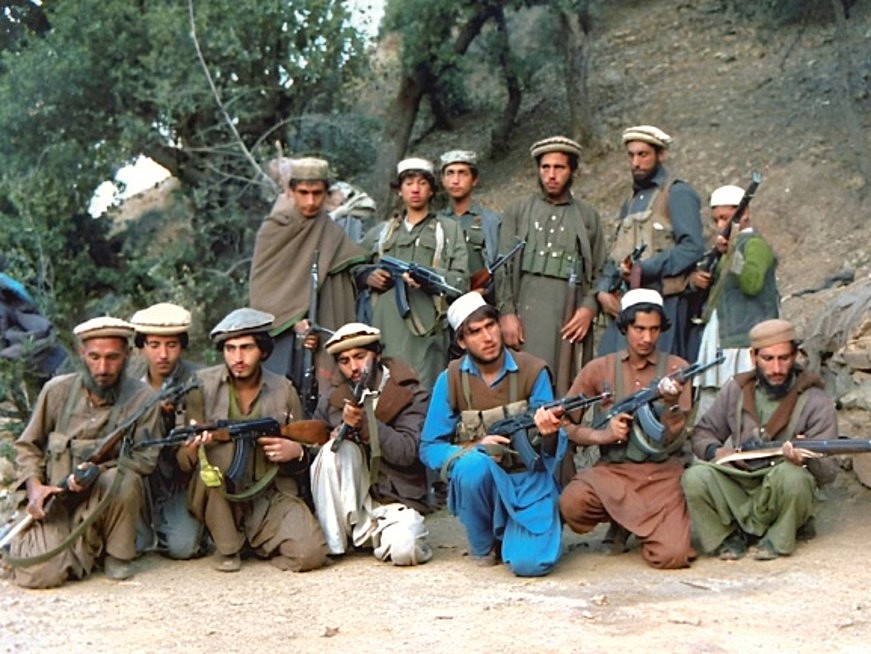
- Structure: They were not a single cohesive group but a collection of various tribal militias and political factions, often divided between traditionalists and more fundamentalist ideologies.
- International Support: Operation Cyclone was a CIA program that provided significant covert funding and weapons, including FIM-92 Stinger missiles, to the fighters. Support also came from Pakistan, Saudi Arabia, and China.
- Tactics: The mujahideen used small, mobile units to conduct guerrilla warfare, utilizing ambush techniques, sabotage, and the rugged terrain of Afghanistan to fight the technologically superior Soviet army.
- Aftermath & Impact: Following the Soviet withdrawal in 1989 and the fall of the communist regime in 1992, the lack of unity led to intense fighting between the mujahideen factions, creating a power vacuum that facilitated the rise of the Taliban.
Terminology
The term “mujahideen” refers to those engaged in jihad (religious struggle). While closely associated with the Afghan conflict, it is a broader term used to describe Islamic guerrilla fighters in other contexts, such as the Mojāhedin-e Khalq in Iran and various groups in India.
On disintegrating into splinter groups once the Soviet Red Army had exited Afghan territories, their inner conflicts were what gave way to the rise of the Taliban.


 The History Scrutineer
Leave a comment