
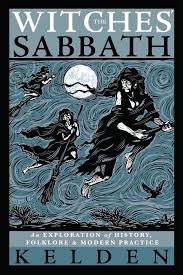
The Witches’ Sabbath/Sabbat was (according to legend and European folklore) a nocturnal gathering of witches, demons and other dark, malevolent entities, believed to take place frequently during the Middle Ages and early modern period. Dates such as Halloween or Walpurgis Night were high times for worshipping of the Devil conducted by the aforementioned during these occult ceremonies where feasting and orgies abounded.
Historical and Cultural Context:
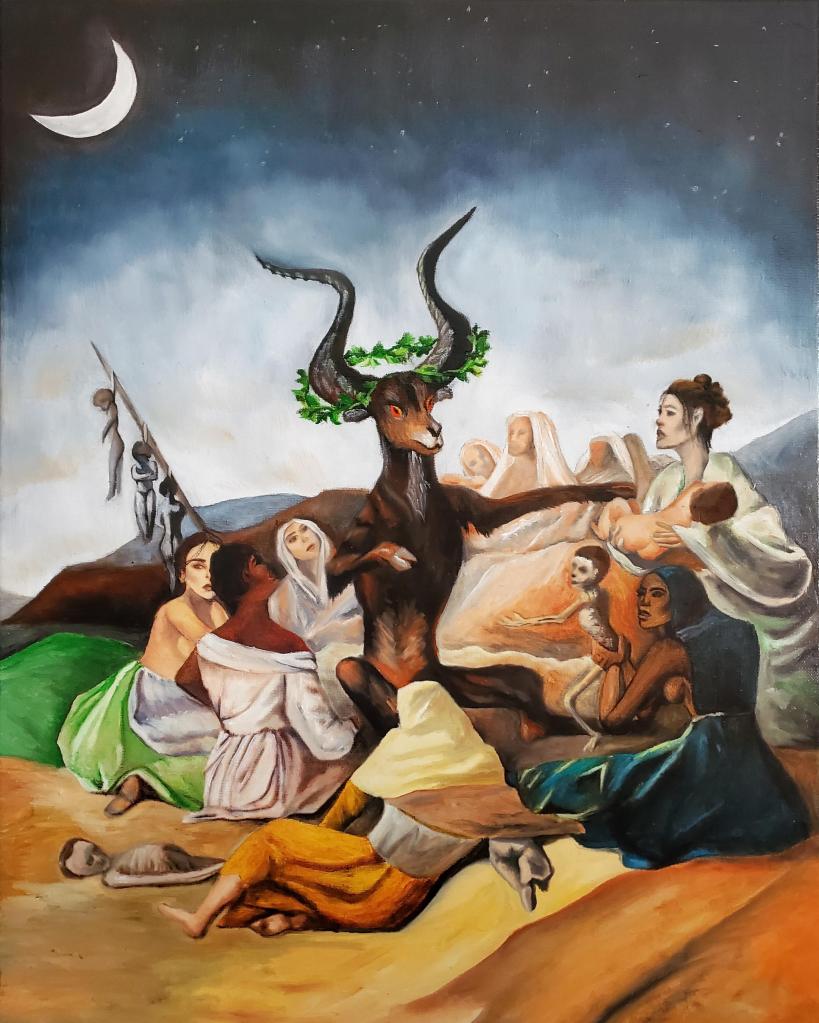
- The Myth: The concept, primarily developed in the 15th century, was used to persecute alleged witches. It was believed they would fly to secret locations—like the Brocken in Germany or Bald Mountain near Kiev—after applying a magical ointment.
- Common Myths: Tales included pledging loyalty to Satan (often appearing as a goat, ram, or dog) and sacrificing victims, particularly babies, to gain black magic powers.
- Historical Accuracy: While the stories of flying and devil worship were fabrications of religious and political authorities, the “Sabbath” was a central part of witch trial confessions, often extracted under torture.
- Artistic Representation: The theme is famous in art, most notably by Francisco Goya(e.g., Witches’ Sabbath (1798) and The Great He-Goat), who often depicted them with dark, satirical, or surreal imagery.
In Modern Context:
- Wiccan Tradition: In contrast to the frightening historical myth, modern Wiccans refer to “Sabbats” as positive, seasonal festivals that celebrate the cycle of the year (Wheel of the Year).
- Books and Media: The theme appears in literature and film, such as the 1988 film The Witches’ Sabbath (dir. Marco Bellocchio) and books exploring the folklore of the “witch’s flight”.
Key Associations:
- Times: Walpurgisnacht (April 30), Halloween (Oct 31).
- Figures: Devil/Satan, Coven, Diana.
- Symbolism: Reversal of Christian rituals, sexuality, and taboo.

 The History Scrutineer
Leave a comment