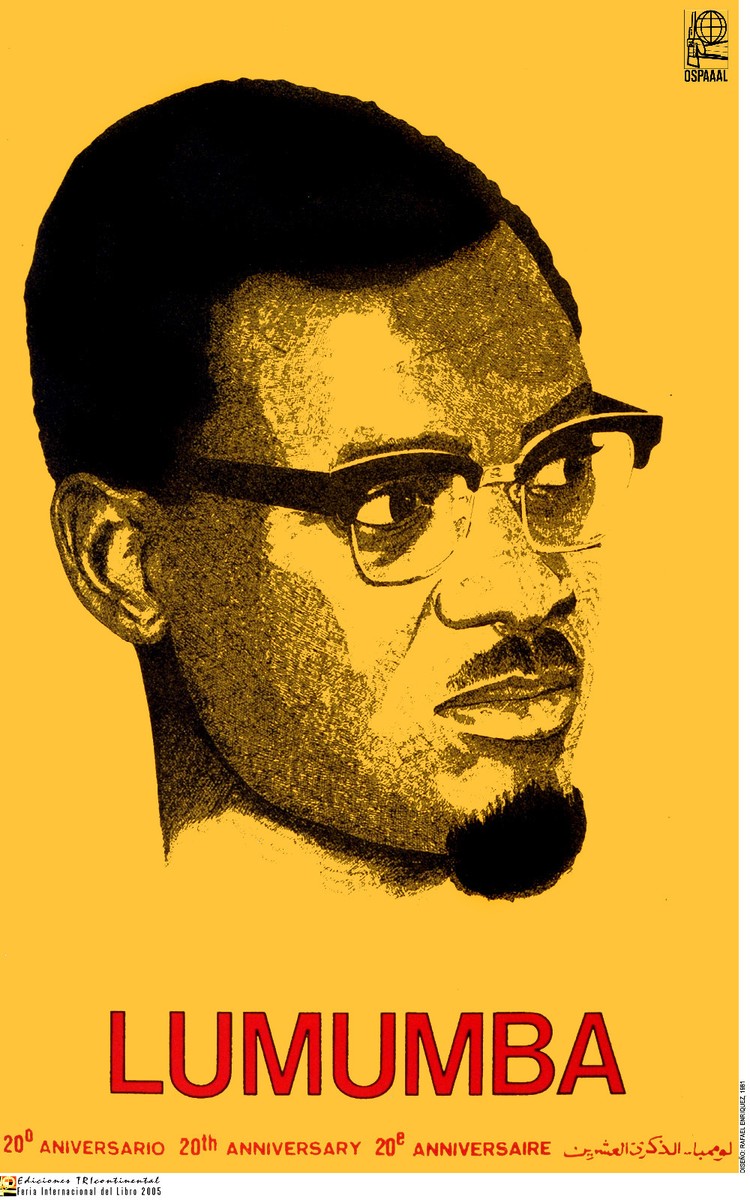
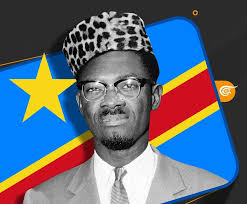
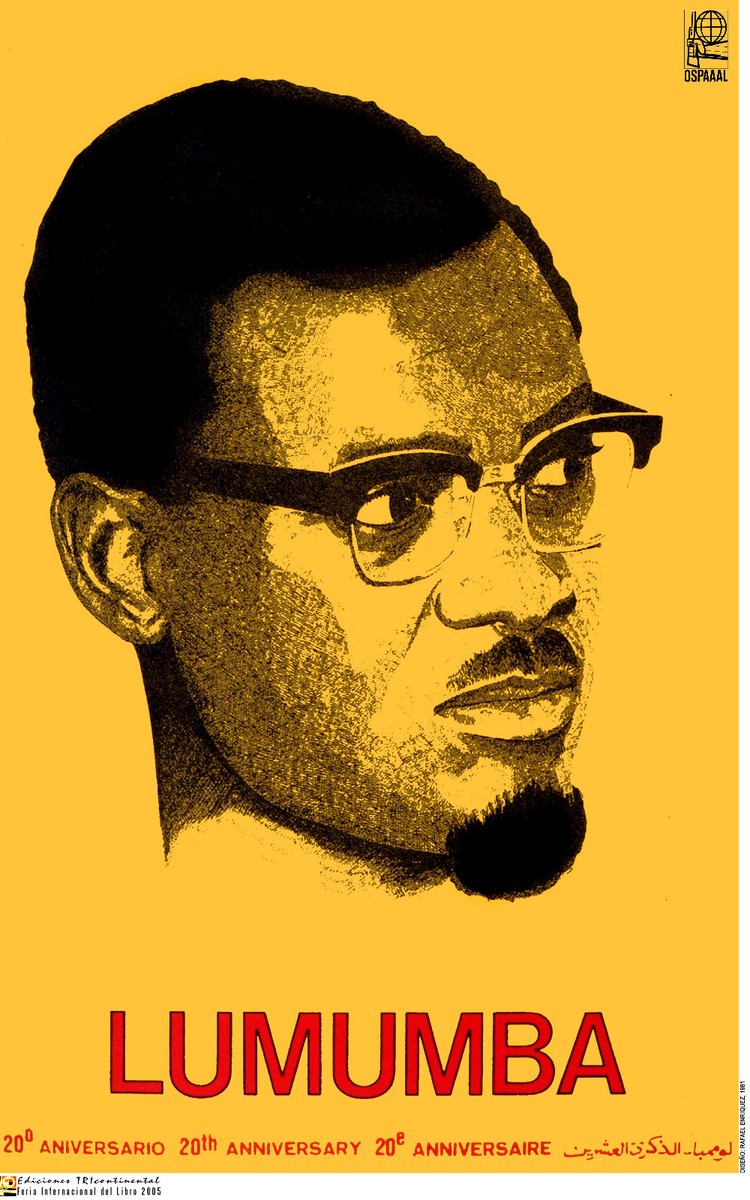
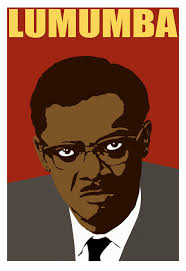
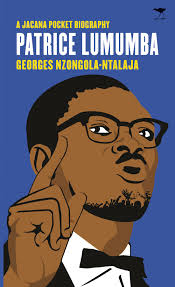
Patrice Lumumba was one of the most important and tragic figures of African History in the twentieth century.
Born in what was then the ‘Belgian Congo’ in the year 1925, a territory ruthlessly exploited and viciously controlled by its colonizers, he was a mostly self-educated man who became a postal clerk before pursuing his calling to work on organizing independence groups in both the Congo and across Africa.
A rising and evermore prominent figurehead by the late 1950s, he formed the Movement National Congolaise and sought to create a united Congo rather than a nation divided along ethnic and tribal lines.
Once the Democratic Republic of Congo had finally gained its independence on June 30th 1960, Lumumba was appointed as the new nation’s first prime minister.
He chose to perform an unscripted speech in the independence ceremony condemning the cruelties of colonialism directly in front of Belgian officials including King Bedouin, which despite invoking passion amongst his countrymen provoked concern and upset from the West. This was a time when anything anti-west was viewed as being as much as pro-Soviet (and communism) during the Cold War.
Tragically, the country soon descended into crisis with a richer province of the Congo attempting to break away whereupon his enemies tried to move in on him. Seeking support openly from the USSR, the western powers chose to shut Lumumba down whereby he was swiftly removed from power and thence imprisoned in his rivals’ heartland, the break-away region of Katanga.
In January 1961, Lumumba was executed. It was revealed after further thorough investigation that Belgian authorities and the CIA were instrumental in his downfall. Belgium even issued a formal apology years later.
Lumumba, despite his short lived stint in office, is today revered as one of Africa’s greatest leaders who paid the price for opposing western domination with his life.

 The History Scrutineer
Leave a comment