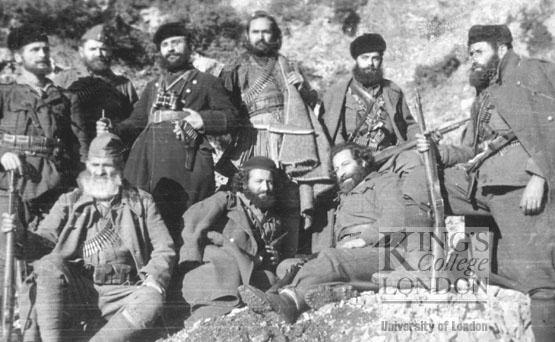
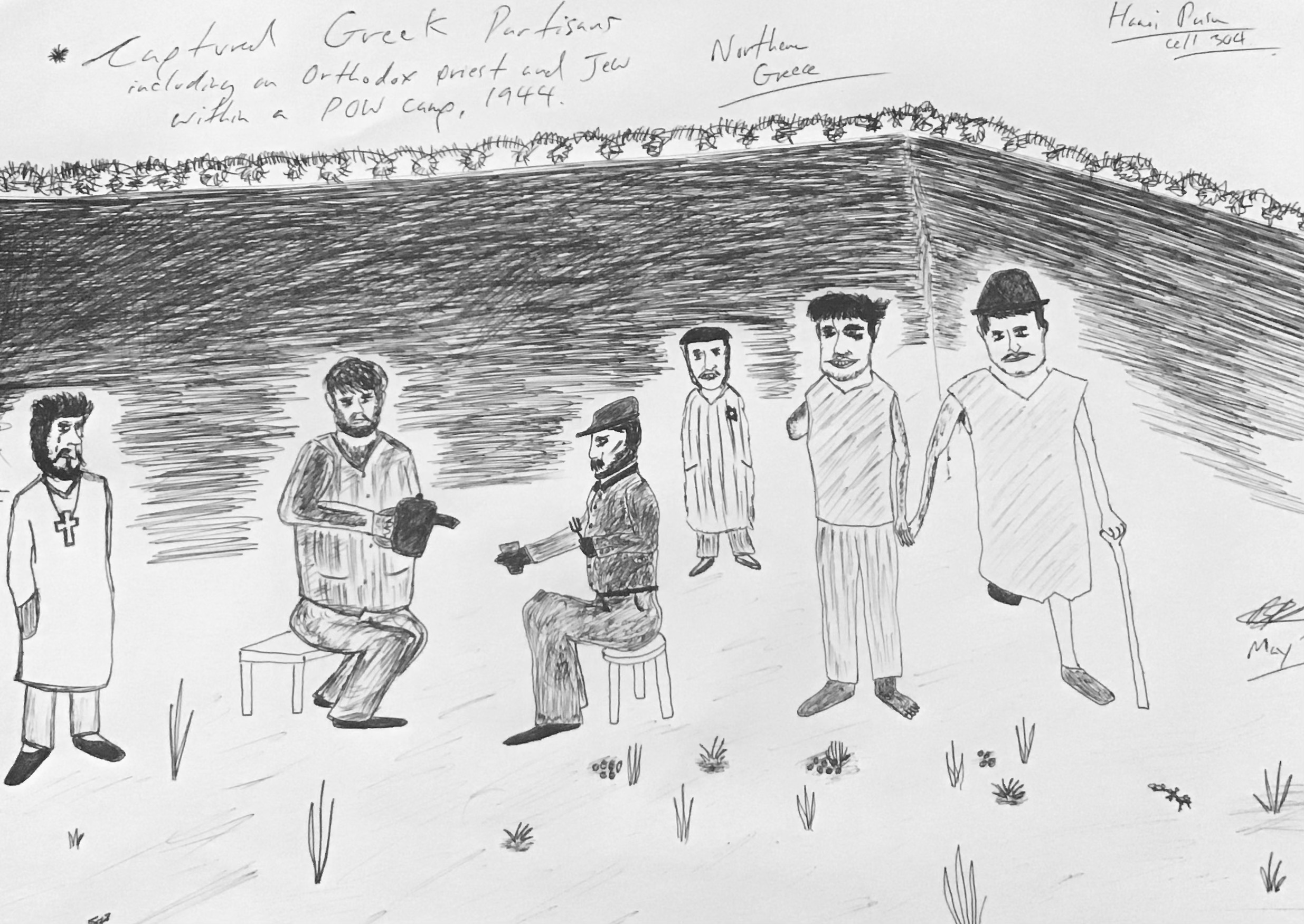
During World War II, Greece was torn by a fierce ideological conflict between its two largest partisan factions: the communist-led ELAS (Greek People’s Liberation Army) and the pro-western, anti-communist EDES(National Republican Greek League). Though both fought the Axis occupation, they ultimately turned on each other, sparking a civil war that shaped the modern Mediterranean.
ELAS (Greek People’s Liberation Army)
- Political Wing: EAM (National Liberation Front)
- Ideology: Far-left, communist, and socialist
- Leadership: Aris Velouhiotis (military), Markos Vafiadis
- Strength: The largest and most powerful partisan group, numbering over 50,000 fighters by 1944. They controlled most of Greece’s rugged mountainous interior.
- Goals: To resist Axis occupation and establish a socialist, post-war Greek state.
EDES (National Republican Greek League)
- Political Wing: EDES
- Ideology: Centrist, republican, royalist (later), and fiercely anti-communist
- Leadership: Napoleon Zervas
- Strength: Primarily based in the Epirus region of northwestern Greece, fielding roughly 10,000 to 14,000 fighters at its peak.
- Goals: To liberate Greece and maintain a democratic, capitalist society, backed heavily by the British.
The Conflict
- Brief Cooperation: In November 1942, both groups briefly unified under British coordination to conduct the famous sabotage of the Gorgopotamos bridge, a massive blow to the Axis supply lines.
- The First Civil War (1943–1944): Tensions over who would control Greece after the war boiled over. Accusing EDES of being too lenient on or collaborating with German forces, ELAS launched sweeping attacks against EDES strongholds. The fighting was fierce but halted by the British-brokered Plaka Agreement in early 1944.
- Aftermath & The Greek Civil War (1946–1949): When the Nazis retreated in late 1944, left-wing and right-wing forces battled for control of Athens (the Dekemvriana). British forces intervened against ELAS, leading to the broader and brutal Greek Civil War (1946–1949), in which the communists were ultimately defeated by government and nationalist forces
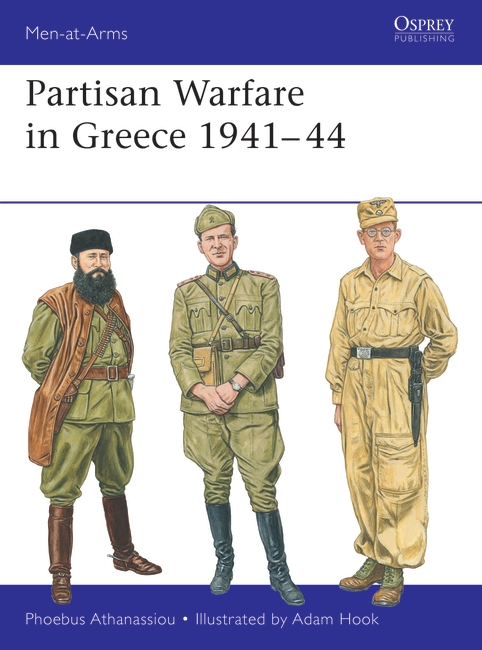
For a deeper dive into the military operations, weaponry, and historical context of these factions, you can explore the Partisan Warfare in Greece 1941–44 study or the extensive archival collection available at the Memories of the Occupation in Greece database.

 The History Scrutineer
Leave a comment