
With a history of more than 100 years, Hanoi’s names have been changed many times in different periods. The given name wasn’t random but it showed an important side of the city at the time.
During the rule of the Chinese, Hanoi used to be called Tong Binh District in history books from the years 454-456 under the Southern and Northern Dynasty of China.
Later, Hanoi was renamed Dai La. Dai La, or Dai La citadel, was the name formerly awarded to the outer citadel surrounding the capital. According to ancient architecture, the capital had three citadels including the Forbidden City where the king and royal family live, the Royal Citadel in the middle and the outer citadel Dai La.
Long Do (navel of a dragon) is also a name for Hanoi but not the official name. This name appeared from the time of Cao Bien. Legend has it that, in the year 866, when Cao Bien built Dai La, he saw a god claiming to be Long Do. Hence, the history documents often mentioned Thang Long as Long Do.
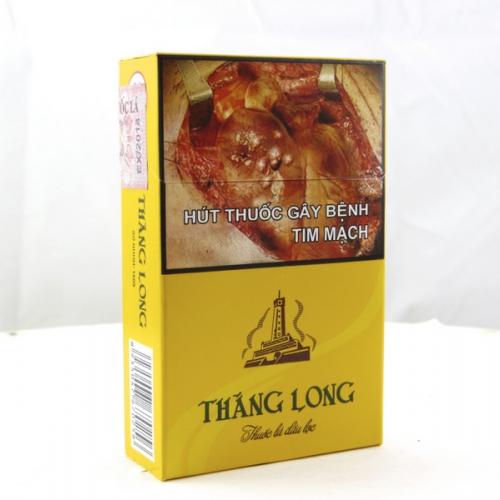
When Vietnam gained independence, Hanoi became the capital at the time of Dai Viet from the 11th century with the name of Thang Long (which means “flying dragon”), after Ly Cong Uan claimed to move the capital in 1010. Thang Long was the capital until 1397 when the capital was moved to Thanh Hoa (meaning Tay Do). Thang Long then called Dong Do.
In 1408, The Dai Ngu nation of father and son Ho was invaded by the Ming army and Dong Do was renamed as Dong Quan.
In 1428, after Le Loi’s army liberated the country, it was renamed Dong Kinh – the Europeans transliterated it into Tonkin.
Under The Tay Son Dynasty, as the capital was located in Phu Xuan, and the capital was named Bac Thanh.
In 1802, when the Nguyen Dynasty moved the new capital to Hue, it was renamed, Thang Long, but this time, the word “Long” represents prosperity, rather than the ‘dragon’ – the dragon is in fact a symbol of the King, and as the King was not present, the usage of the word “Long” took on its second meaning of “dragon”
Then King Gia Long ordered to tear down the old citadel because the capital was not in Thang Long and Thang Long citadel was too wide.
In 1831, King Minh Mang founded Ha Noi province. When Vietnam interacted with the West, the Sino-Vietnamese name of Hanoi was Dong Kinh, written into Tonkin and Europeans commonly used this particular name. In 1873, the French began to strike Hanoi and 10 years later, they dominated the entire nation. Since 1887, Hanoi was the capital of Indochina belonging to French.
In 1940, the city was invaded by Japanese fascists and in 1945 Hanoi was liberated and was the location for the department of the Government of the Democratic Republic of Vietnam. From 1946 to 1954, Hanoi was in a fierce battle between the Vietnamese army and the French military. After being liberated on October 10th, 1954, Hanoi became the capital of the Democratic Republic of Vietnam.
During the Vietnam War, the traffic construction of Hanoi such as bridges and railway were destroyed by bombs but immediately corrected. During this time, Hanoi was hailed as “the capital of human dignity”. Hanoi became the capital of the whole Vietnam after the unification of the north and south after July 2cnd, 1976.
Hanoi has many other informal names, appearing mainly in poetry and folklore: Trang An or Truong An (taken from the name of the Chinese capital under Han and Tang dynasties); Phung Thanh or Phuong Thanh; Long Thanh, Long Bien, Ke Cho (in the folk); Thuong Kinh, Kinh Ky, Ha Thanh, Hoang Dieu, shortly after the August Revolution – 1945, sometimes in the newspapers of Vietnam used this name to refer to Hanoi.
Taken from (edited): https://hafoodtours.com/the-old-quarter/hanois-names-history/
Hanoi. “the city within rivers”.
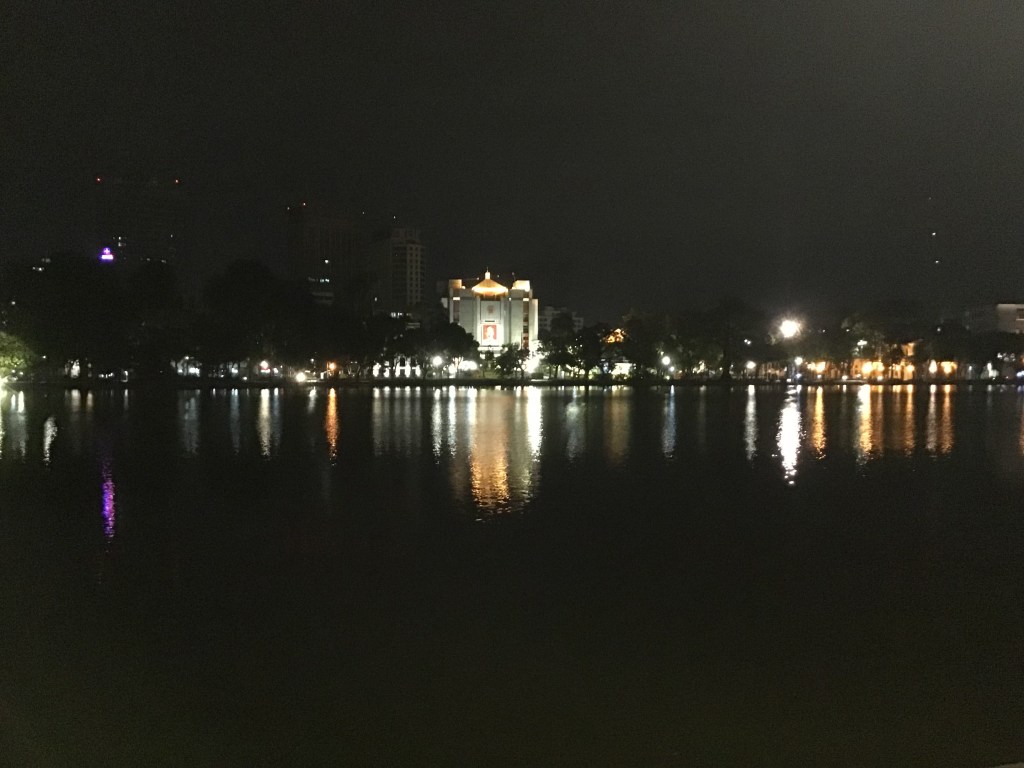
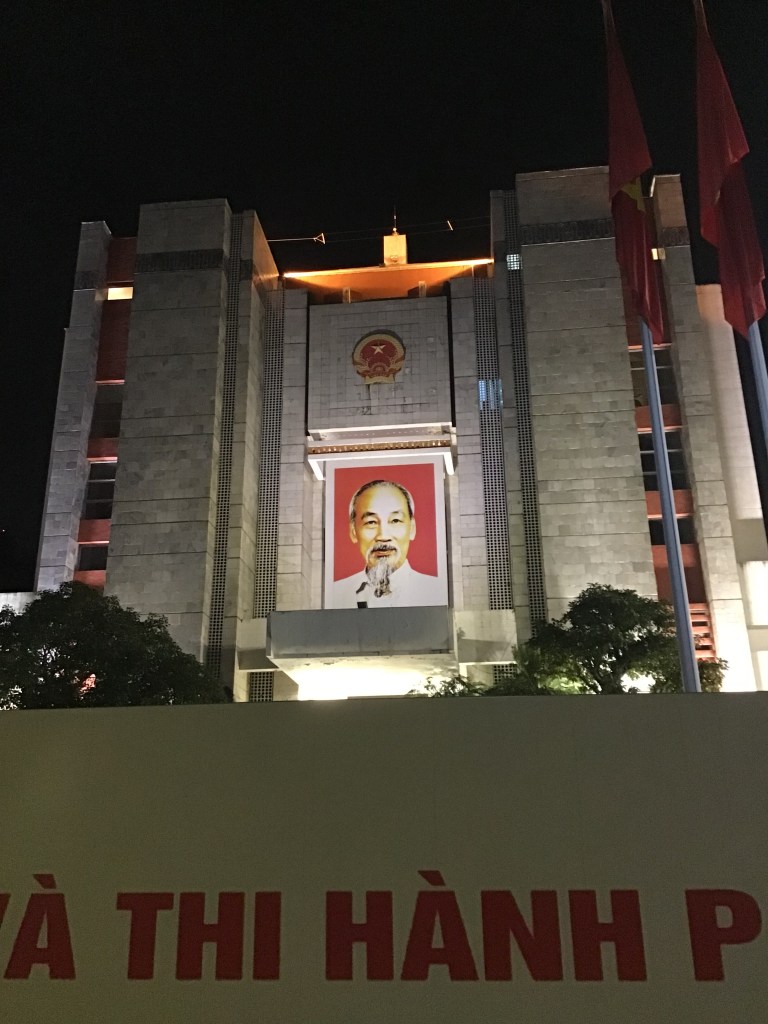
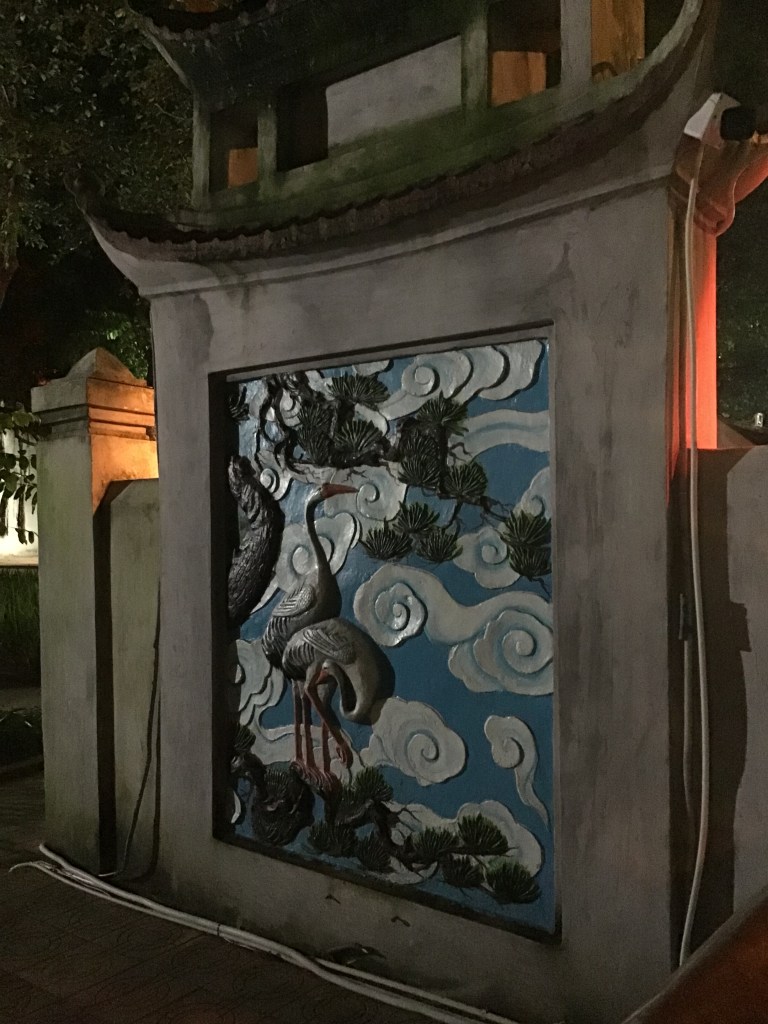
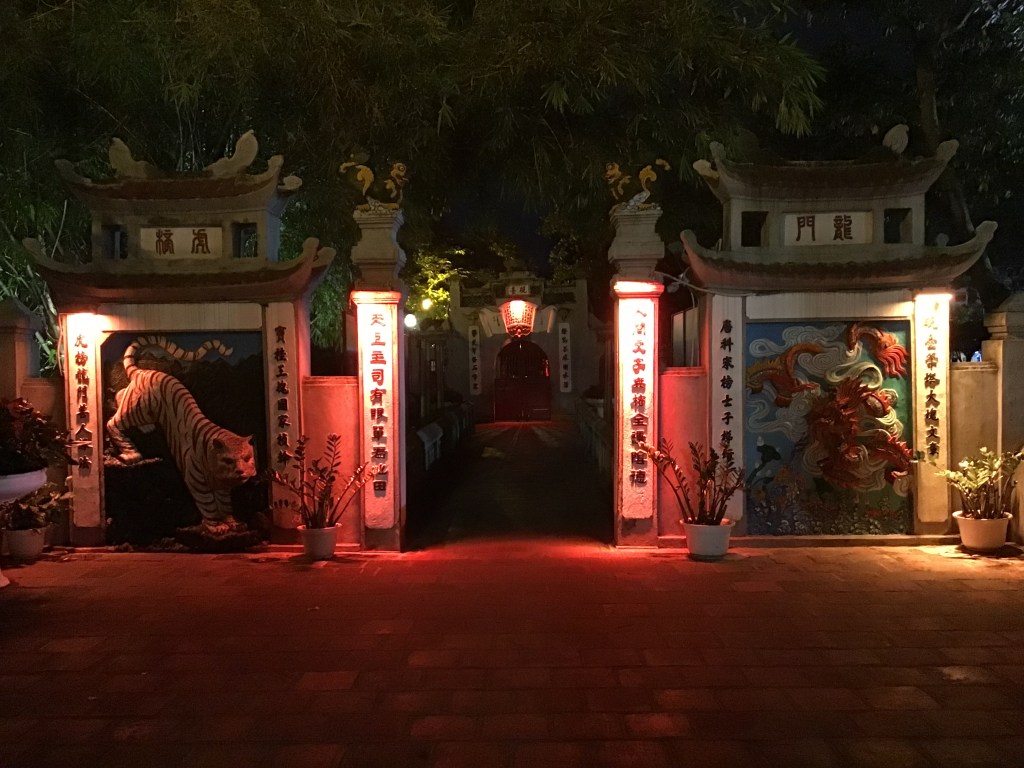
I, The History Scrutineer, have been spending most of my time within The Old Quarter, which shall deserve a post of its own very soon. The other evening, I took a stroll around the Hoan Kiem lake.
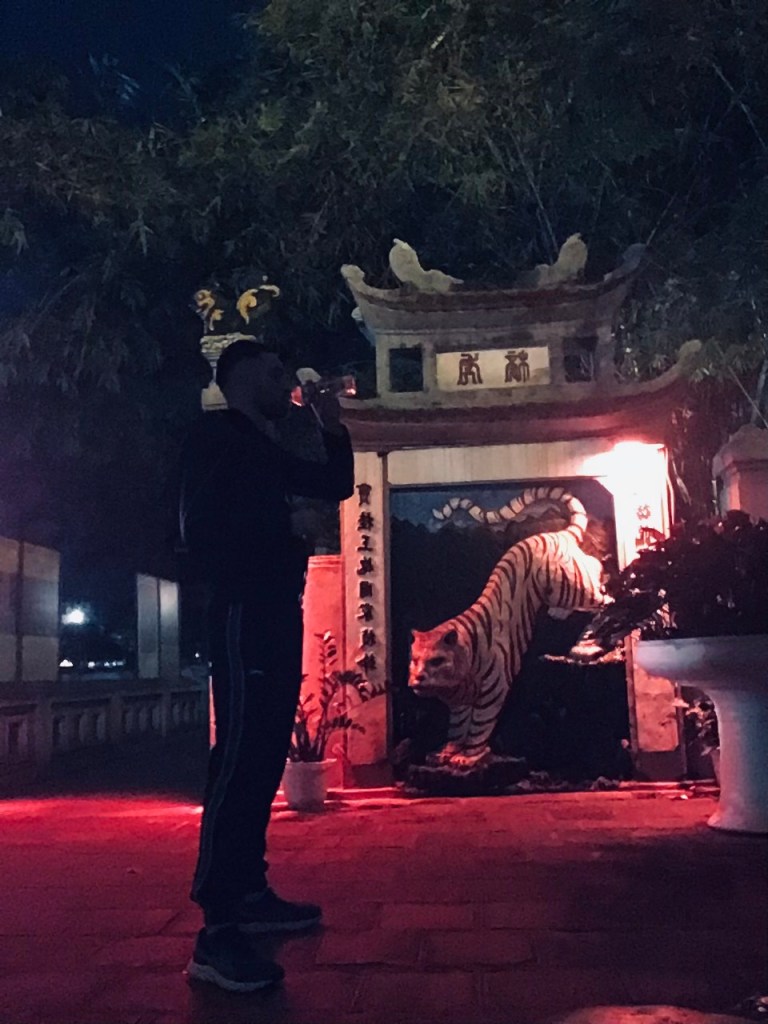
Taken from (edited): https://north-vietnam.com/hoan-kiem-lake-hanoi/
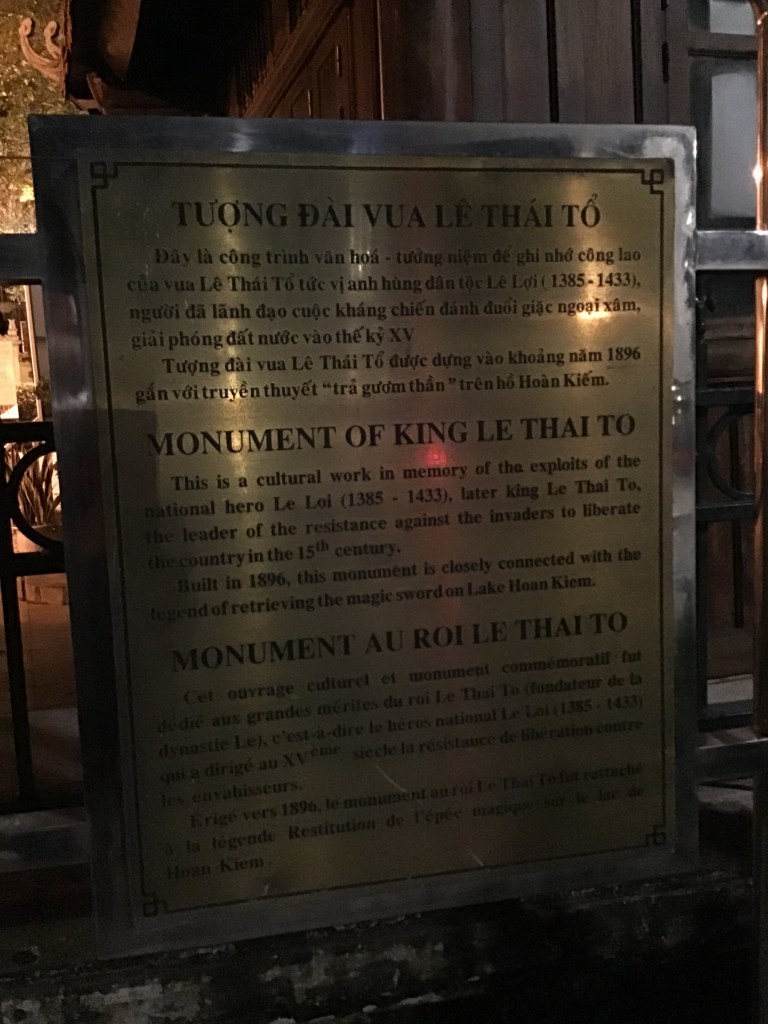
The lake’s name ‘Hoan Kiem’, comes from a legend about a magical sword. According to the story, a Vietnamese emperor named Le Loi received a sword from the Dragon King to help him fight against the Chinese Ming Dynasty. After the war was won, the emperor was sailing on the lake when a giant turtle appeared and took the sword back to the Dragon King. The lake was named “Hoan Kiem” or “Lake of the Returned Sword” to commemorate the event.
Hoan Kiem Lake, also known as Lake of the Returned Sword, is a historical and cultural landmark in Hanoi, Vietnam. The lake is located in the heart of the city, surrounded by various attractions and commercial areas, making it a popular destination for both locals and tourists. This lake is also a part of the Old Quarter.
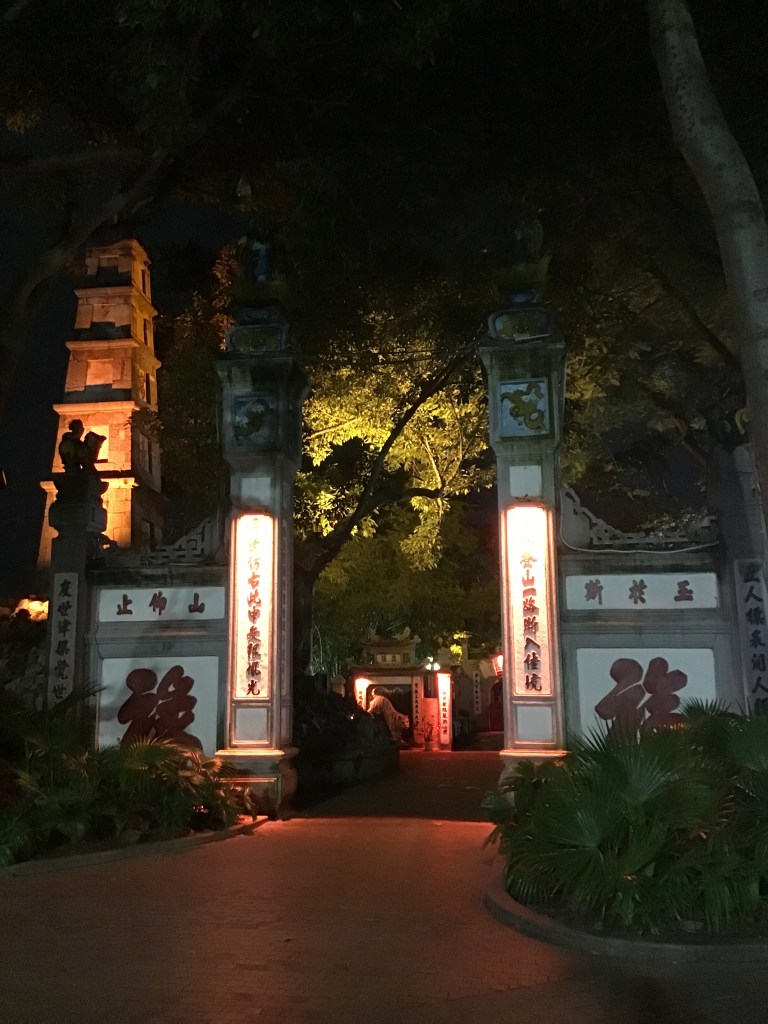
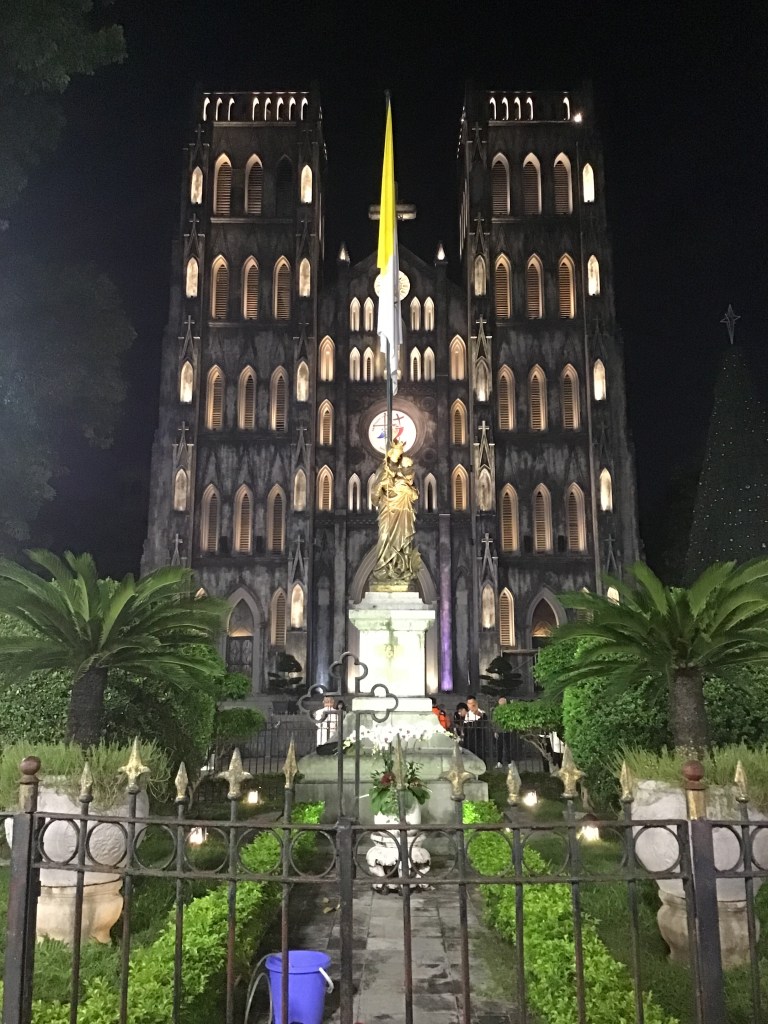
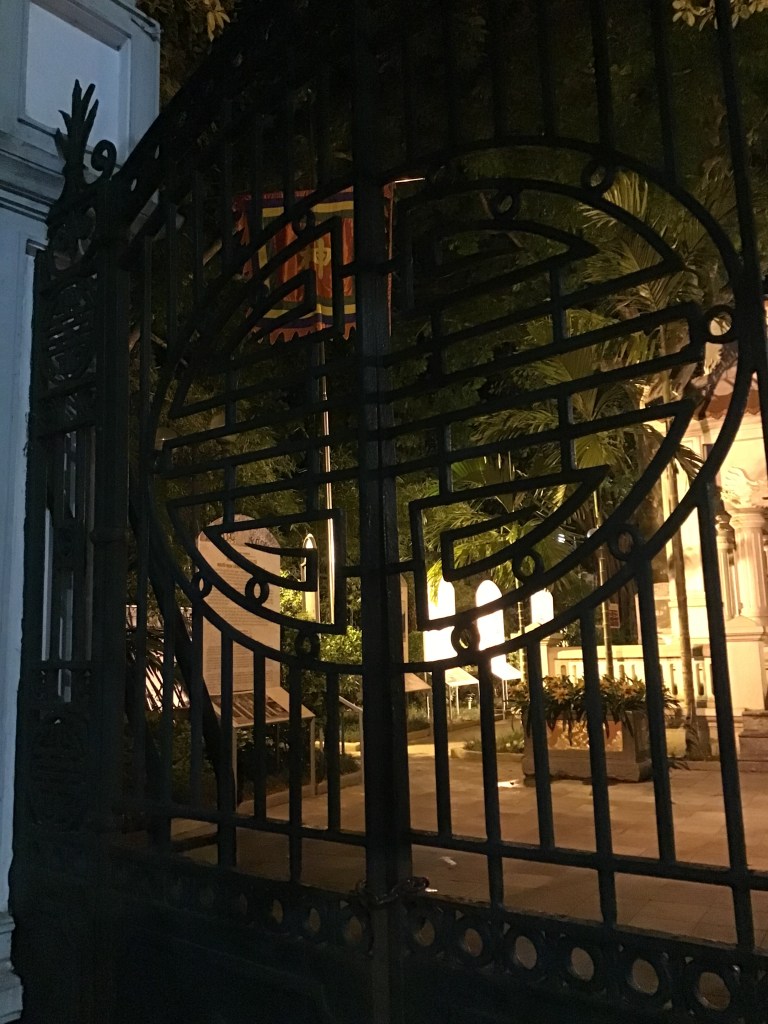
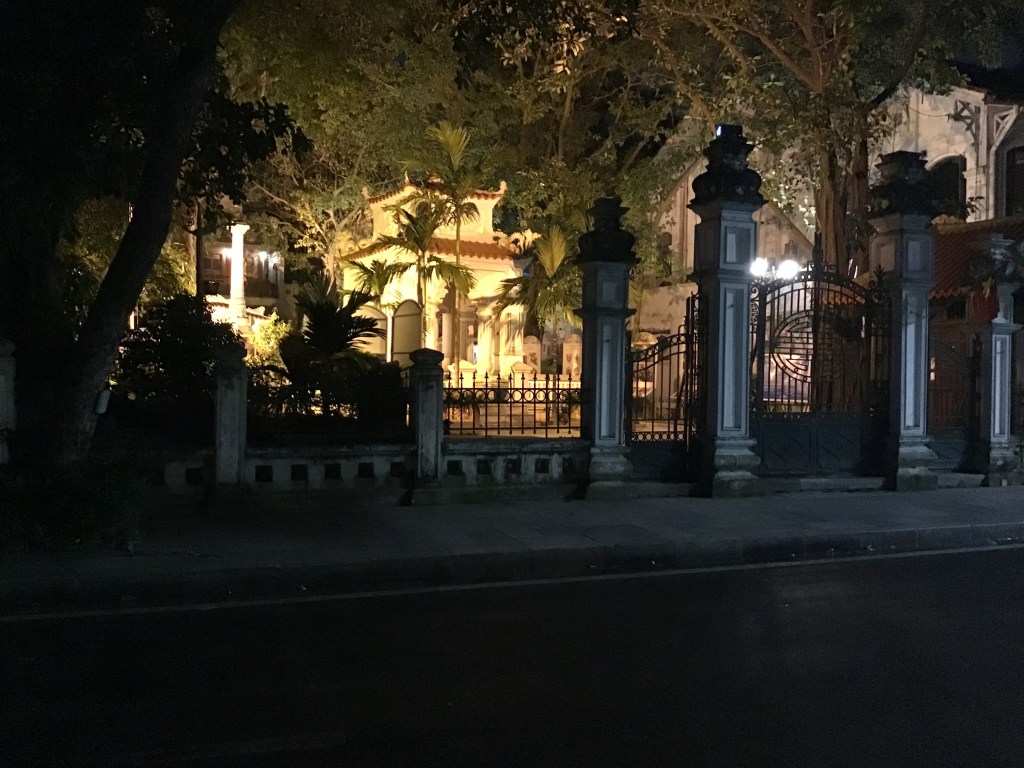
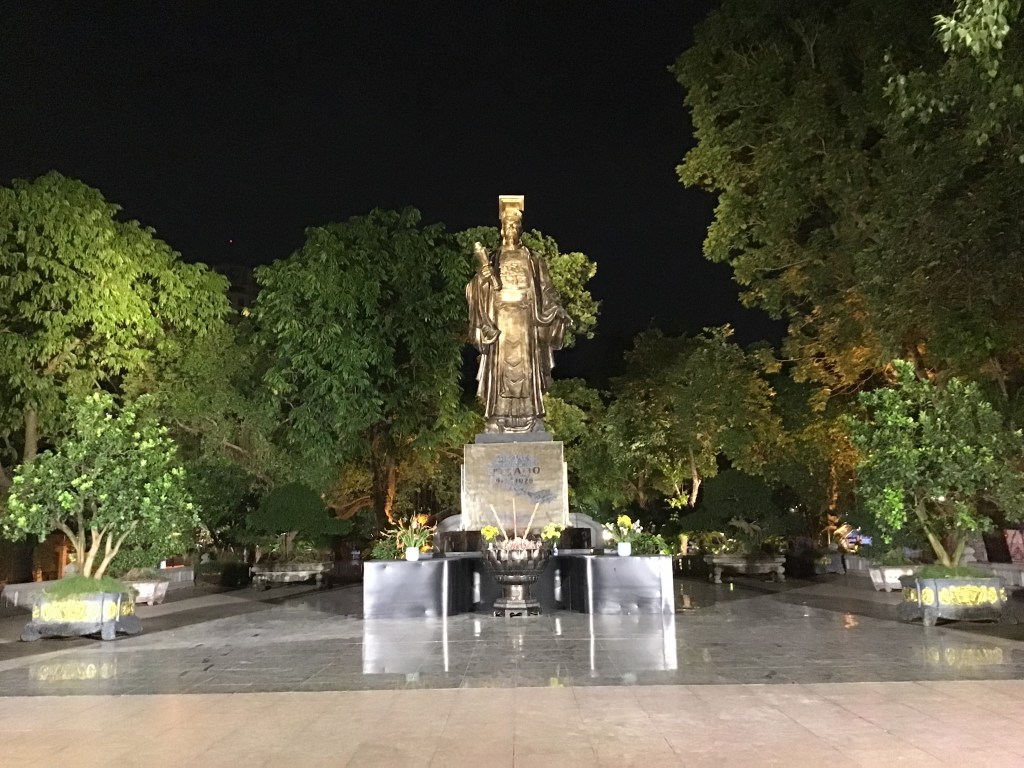
Here is a gallery of photos that I took during an enjoyable evening ambling around the lake…


An article on The Old Quarter shall be due next.
Until next time, The History Scrutineer.




 The History Scrutineer
Leave a comment