
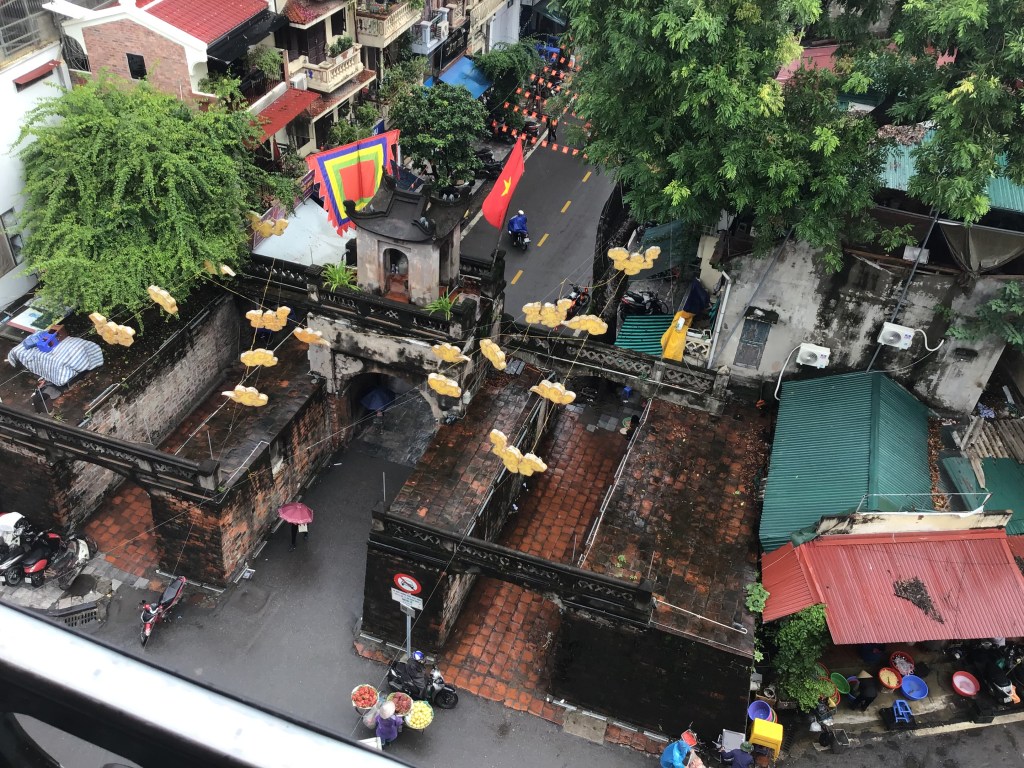
Dear readers, on account of a fierce and long bout of immense depression, I have not been able to bring myself into the head-space to write about history or anything else for that matter. Here is my very overdue latest post; composed from the capital of Vietnam: Hanoi. I have been living out of a hotel for over a month now, which happens to be situated right next to a locally celebrated ‘Old Gate’.
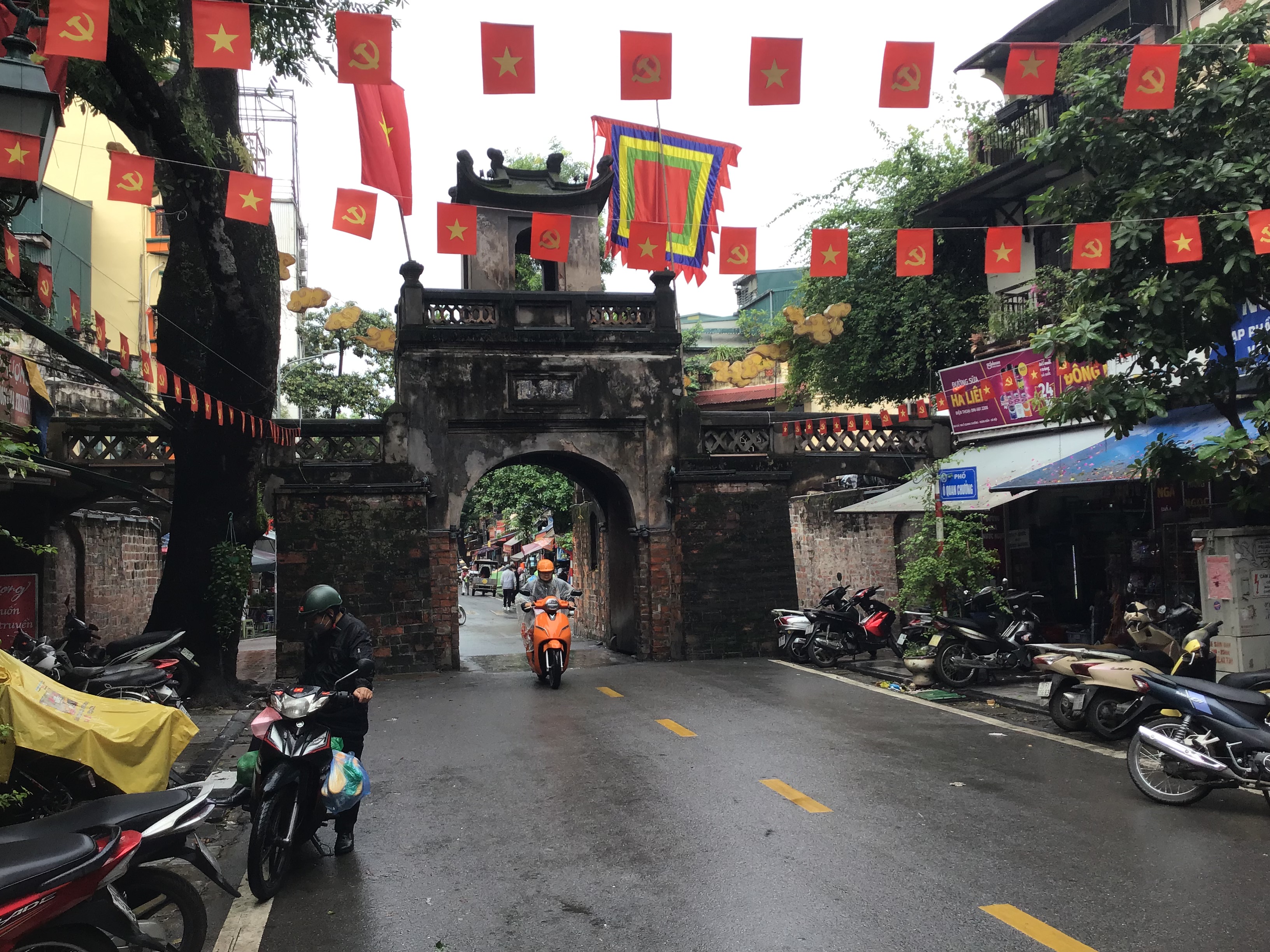
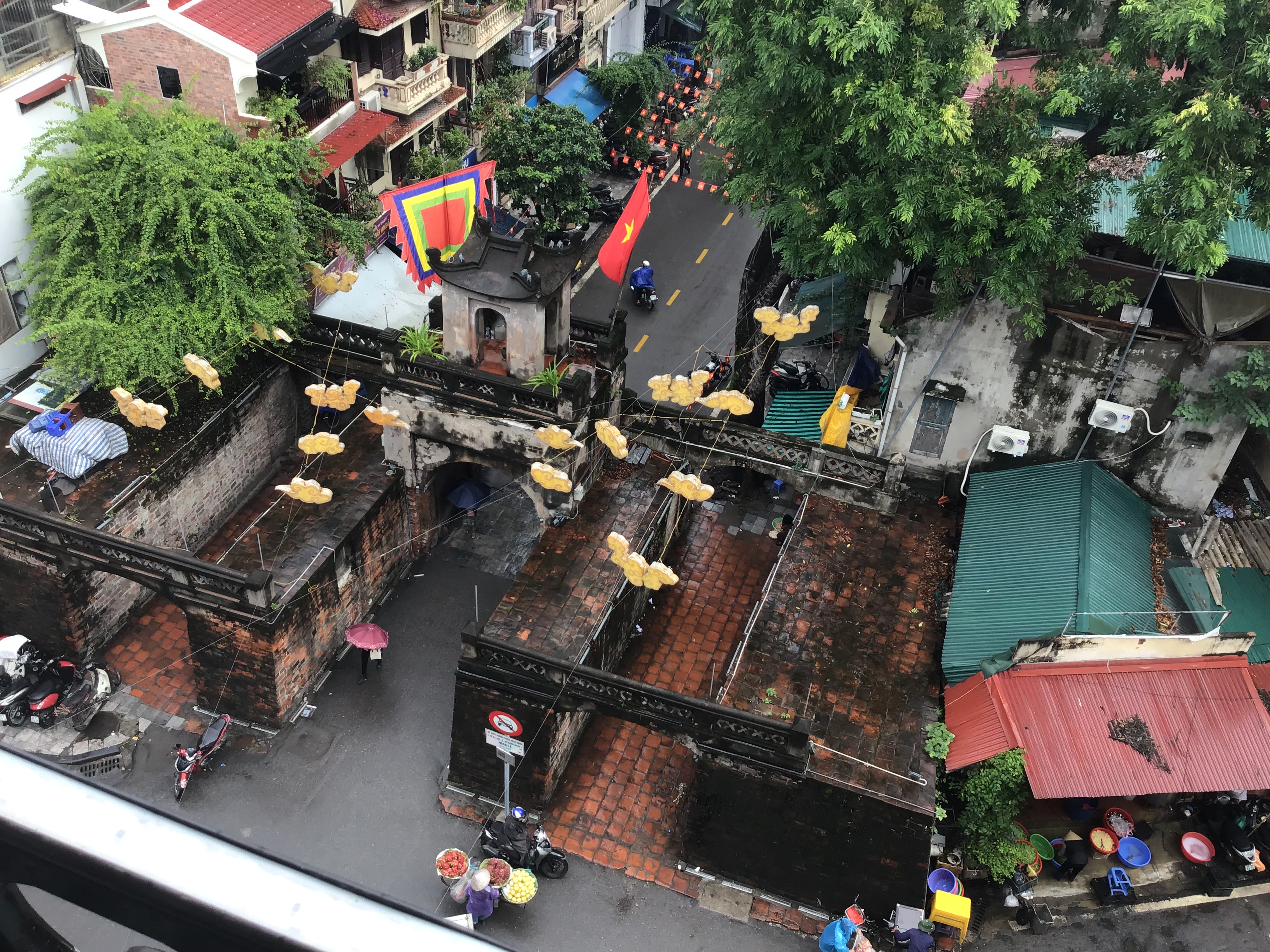
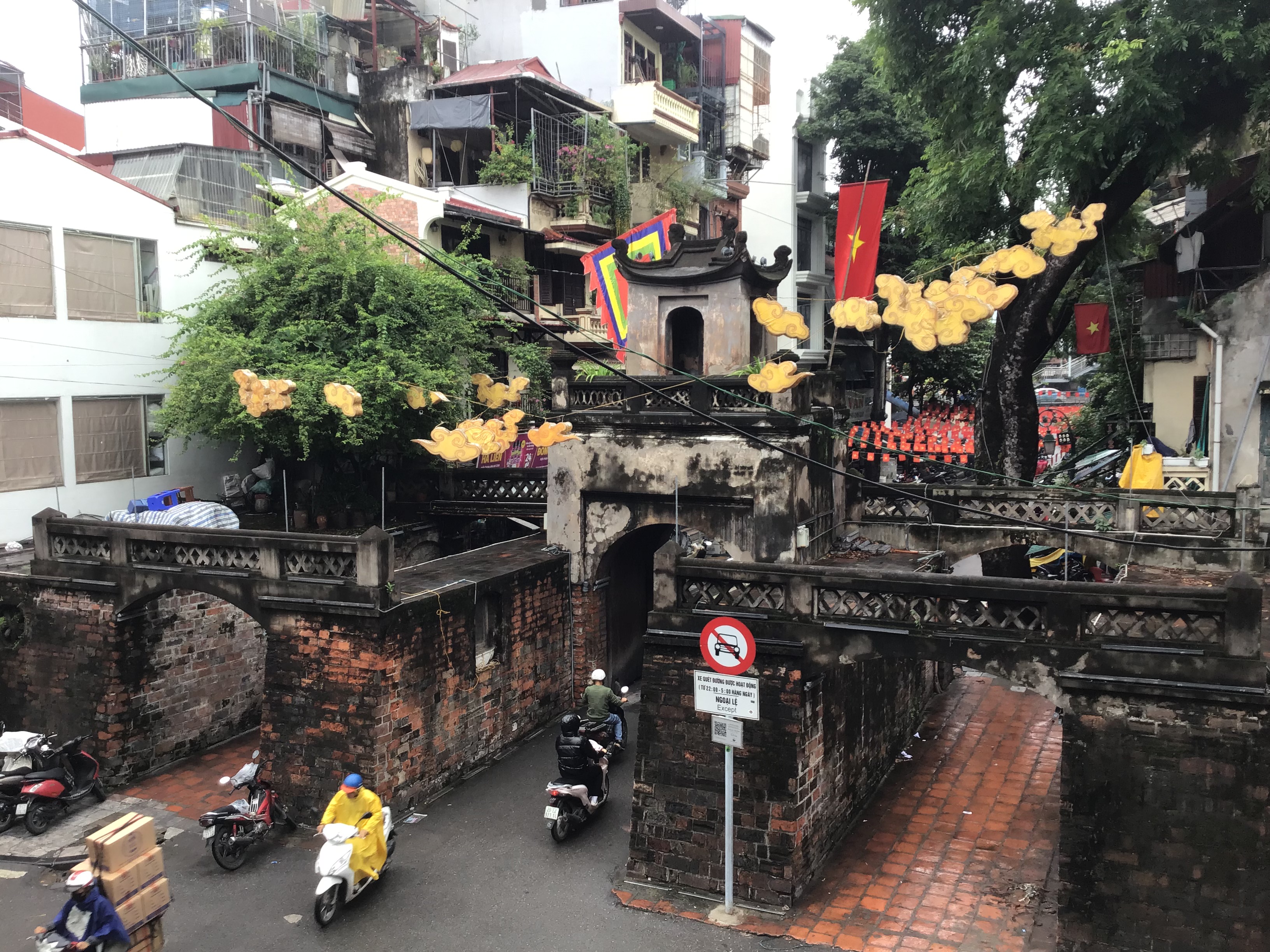
The only surviving gate of the citadel of Thang Long, O Quan Chuong not only brings beauty in architecture but also represents Hanoi ancient history.
According to records, in the reign of King Le Thai Tong (1740-1786) Thang Long has many gates such as Cau Giay, Cho Dua, Cau Dien or Quan Chuong. Each city gate was built as a gate, open day, night closed and fenced, with a guard to prevent thief, fire.
Built in 18th century, O Quan Chuong, also called Dong Ha (ie Dong Ha ward) or East gate, was located in the east of the citadel surrounding the capital city of Thang Long. This city gate then was named after a chief of the army (Quan Chuong) to remember his sacrifice and Nguyen soldiers, to fight against the French when they attacked Hanoi.

O Quan Chuong consists of two floors and is built as a watch-tower (pavillon) a typical architecture of the Nguyen Dynasty. The first floor has three doors, the main door is in the center, high and wide 3m, two side doors are on both sides, about 1.65m wide, 2.5m high. Special point is that all three doors are designed in a dome style. The second floor is the observation pavillon.
The only remaining old city gate of Hanoi, O Quan Chuong not only inscribed the mark of the Thang Long capital but also a proof of struggle of the indomitable people in the fight against foreign invaders.
Information sourced at: https://travelhanoi.org/place/old-city-gate-hanoi/
 The History Scrutineer
Leave a comment